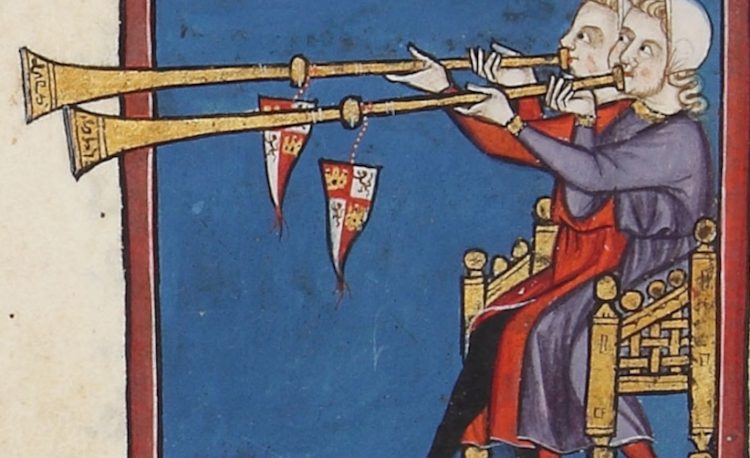
The Kaa (का) is a traditional Newar wind instrument, shaped like a long ceremonial trumpet and known for its deep, resonant sound. It is usually made of metal and played during important cultural events, religious rituals, and festivals in places like Kathmandu. The instrument produces a powerful, echoing tone that helps lead processions and create a majestic atmosphere. As part of the Kaa Baja ensemble, the Kaa holds a special place in Newar heritage and symbolizes celebration, tradition, and community spirit.The Kaa trumpet is not just a musical instrument—it’s a symbol of Newar identity and ritual life. Combined with the long and sophisticated history of the Newar people, it reflects a culture deeply rooted in ceremony, artistry, and spirituality.
It sounds like you’re referring to the traditional Newar wind instrument called “Kaa” (often spelled Kāh or Kaha), a long ceremonial trumpet used in the Newar community. Here’s a clear explanation of both the instrument and its historical-cultural background:
Kaa – The Long Trumpet of the Newars
The Kaa is a long metal trumpet, usually made of brass or copper. It can be straight or slightly curved and produces a deep, powerful, resonant sound.
Key features:
Played in pairs or groups for stronger sound impact
Used mainly in religious rituals, festivals, and processions
Often accompanies traditional Newar percussion instruments like dhime and bhusya
Its sound is considered auspicious and ceremonial, not for casual entertainment
The Kaa is especially associated with temple rituals and is sometimes played during important events dedicated to deities.
Historical Background of the Newar Community
The Newar community are the indigenous inhabitants of the Kathmandu Valley in Nepal. They have a rich, ancient civilization known for art, architecture, music, and festivals.
Origins and Development:
The Newars trace their roots back over 2,000 years, with influences from Kirat, Licchavi, and Malla periods
During the Malla period (12th–18th century), Newar culture flourished in art, music, dance, and urban planning
They developed a unique language called Nepal Bhasa
Music and Instruments in Newar Culture
Music plays a central role in Newar society, especially in religious and social ceremonies.
Role of Kaa in Newar Music:
The Kaa is used in ritual ensembles that perform during:
Temple worship
Processions of deities
Festivals like Indra Jatra and Bisket Jatra
It is often linked with royal and sacred traditions, historically played in courts and temples
Cultural Significance
The sound of the Kaa is believed to announce divine presence
It symbolizes power, tradition, and continuity of heritage
Musicians who play it often belong to specific traditional groups, preserving the practice across generations
the sound and video are as follows: