Wellness, Recreation, and Care for Senior Citizens in Nepal
Who Is a Senior Citizen in Nepal?
In Nepal, a person aged 60 years and above is legally recognized as a senior citizen under the Senior Citizens Act, 2063 (2006). However, not all elderly individuals share the same level of physical ability, independence, or need for care. To better understand and address their diverse needs, senior citizens in Nepal are further classified by age into three broad categories:
Age Group Classification
60-69 Years Senior Citizen
70-79 Years Elderly Senior
80+ Years Very Senior / Advanced Elderly
The average life expectancy of a Nepali citizen is currently around 70–72 years, a figure that is gradually rising due to improvements in healthcare, nutrition, and overall living conditions. As more Nepalis live longer, the question of how they spend those additional years — and who supports them — has become one of the most pressing social issues of our time.
The Growing Need for Elderly Care in Nepal

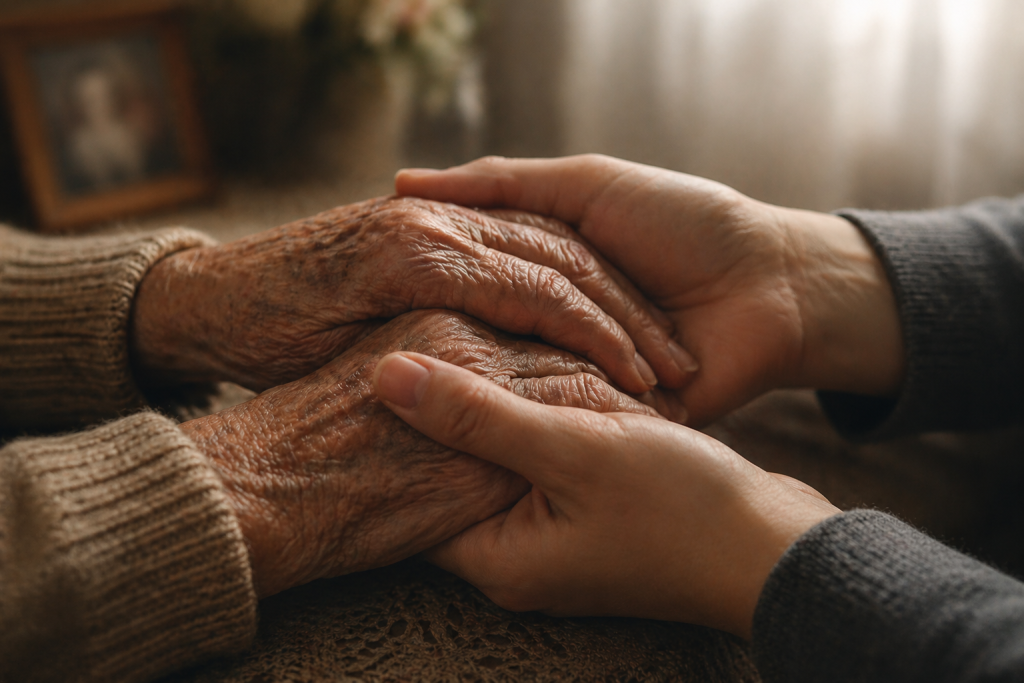
The need for elderly care centers in Nepal is rising at a pace that the country's social infrastructure has struggled to match. Three major forces are driving this demand: the high rate of youth emigration, the breakdown of the traditional joint family system, and the growing number of elderly persons living with chronic illnesses that require specialized attention.
Traditionally, Nepali society operated on a joint family model in which children — particularly sons — were expected to care for aging parents within the home. Elders were respected as the heart of the household, their wisdom valued and their presence honoured. This arrangement provided not only physical care but also emotional security and a deep sense of belonging. However, this model has been rapidly eroding. There has been cases of cruelty towards seniors which is also growing and is of major concern.
As younger generations increasingly migrate abroad in search of better education and economic opportunities, elderly parents in both rural and urban areas are being left behind — often alone. A 2016 survey found that 47% of Nepalese households had at least one member who had migrated in the previous ten years, and 68% of men who migrated did so for work outside the country. Two separate Nepalese studies confirmed that this surge in migration has directly caused elderly parents to bear the physical, social, emotional, and financial burdens of the family on their own — without adequate support.
The Mental Health Crisis Among the Elderly

The consequences of this social shift are not only physical but deeply psychological. The depression rate among senior citizens in Nepal is rising sharply, driven by a combination of factors including chronic illness, loneliness, the absence of family, and poor economic circumstances. Studies have recorded that contributing factors to depression in the elderly include conditions such as COPD and hypertension, social isolation, lack of family support, and financial insecurity.
A striking study conducted in Devghat found that 82.6% of residents in old age homes experienced depression — not primarily because of poor health, but because of the emotional pain of feeling abandoned, forgotten, and purposeless. This data reveals a sobering truth: for many elderly Nepalis, the final chapter of life is defined not by peace and reflection, but by quiet suffering. Addressing this crisis requires more than medical care alone — it demands a comprehensive approach to the emotional, social, and recreational needs of the elderly.
Understanding the Multiple Dimensions of Elderly Need
Old age is not a single, uniform experience. Understanding it properly means recognizing that elderly persons carry needs across several interconnected dimensions — all of which must be addressed together if they are to live with true dignity.
Physically, the elderly require regular health monitoring, nutritious and age-appropriate food, safe and comfortable living environments, physiotherapy for mobility and pain management, and reliable access to specialist medical care for their chronic conditions.
Emotionally, they need companionship and the genuine feeling of being valued. They need connection to the cultural and spiritual traditions that have defined their lives, and they need the simple but powerful assurance that they have not been forgotten by the people and communities they once nurtured.
Socially, they need structured spaces in which to interact, engage with peers, participate in meaningful activities, and maintain their sense of identity and purpose beyond the roles they once played as parents, workers, and community members.
When these three dimensions are addressed together — physical, emotional, and social — elderly persons do not simply survive their old age; they thrive in it.
Vridha Ashram vs. Retirement Home: Understanding the Difference
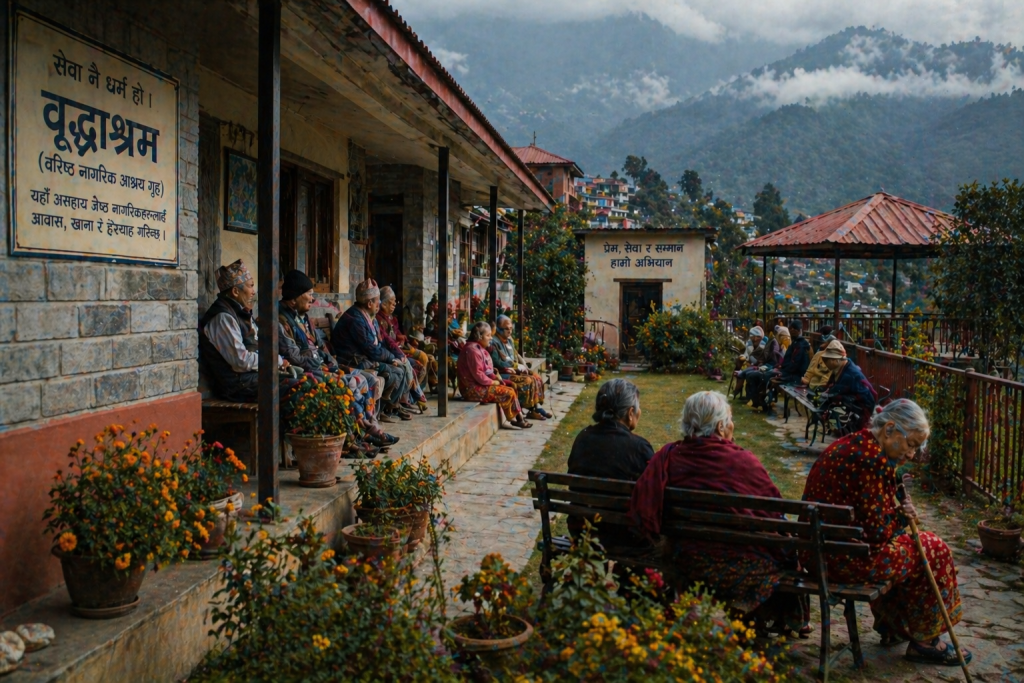
In Nepali society, the concept of elderly care facilities is often misunderstood. Many people use the term Vridha Ashram (traditional old-age home) and "retirement home" interchangeably, but the two represent very different models of care. Recognizing this distinction is essential for making informed decisions about what kind of support our elderly actually need.
Vridha Ashram — The Traditional Old Age Home
The Vridha Ashram model is built around the provision of basic needs as a safety net, particularly for those who have no family support whatsoever.
Primary Focus: Basic shelter, food, and medical care; a safety net for the abandoned or medically dependent elderly; typically government-funded or run by charitable organizations.
Lifestyle: Shared, dormitory-style living arrangements; limited personal autonomy; minimal recreational or leisure activities.
Who It Serves: Low-income, abandoned, or heavily medically dependent elderly individuals.
Retirement Home — Modern Senior Living
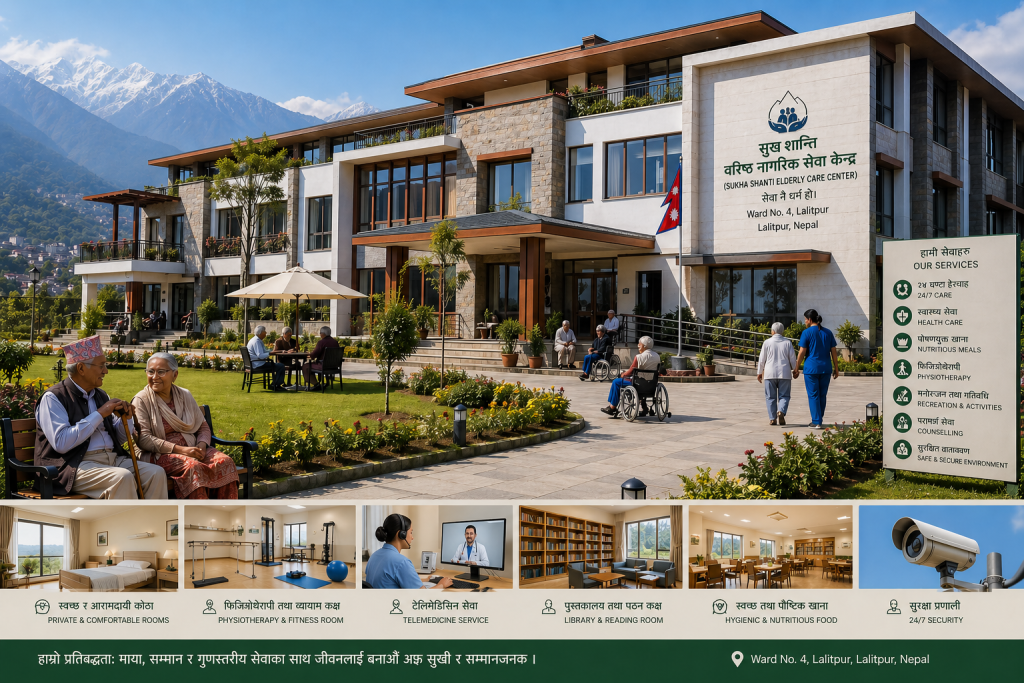
The modern retirement home or senior living community operates from an entirely different philosophy — one centered on independence, dignity, and quality of life rather than basic survival.
Primary Focus: Independence, personal dignity, and holistic well-being; active social engagement; typically privately run or subscription-based.
Lifestyle: Private or semi-private apartments; personal choice and self-management in daily routines; organized activities including yoga, arts, music, social clubs, and guided outings.
Who It Serves: Middle-class elderly individuals who are seeking an active, engaged, and community-oriented way of living.
While the Vridha Ashram serves a critical and irreplaceable role in supporting Nepal's most vulnerable elderly, it alone is not sufficient for a population that is living longer, remaining more capable, and expecting more from their later years. A balanced approach — one that combines the medical security of the traditional model with the independence and engagement of the modern retirement model — would most fully address the needs of Nepal's diverse elderly population. By enhancing existing care homes to include independent living spaces, recreational facilities, and strong healthcare support, residents would experience significant improvements in both their mental and physical well-being.
What Kind of Care Does Today's Elderly Population Need?
Recreation centers and specialized activity programs for senior citizens are not luxuries — they are essential health infrastructure. The evidence is clear: structured recreational engagement improves mobility, combats loneliness, reduces cognitive decline, and gives elderly individuals a renewed sense of purpose and community.
Physical Health: Tailored physical activities such as yoga, walking groups, gardening, Tai Chi, and swimming improve mobility, balance, strength, and cardiovascular health. These are especially important for preventing falls and managing chronic conditions.

Creative Expression: Activities such as painting, knitting, pottery, arts and crafts, and music provide elderly persons with a channel for self-expression, a sense of accomplishment, and deep personal satisfaction.
Mental and Cognitive Well-being: Mentally stimulating activities like chess, board games, puzzles, and various forms of therapy provide essential cognitive exercise, helping to sharpen mental function and reduce the risk of dementia and Alzheimer's disease.
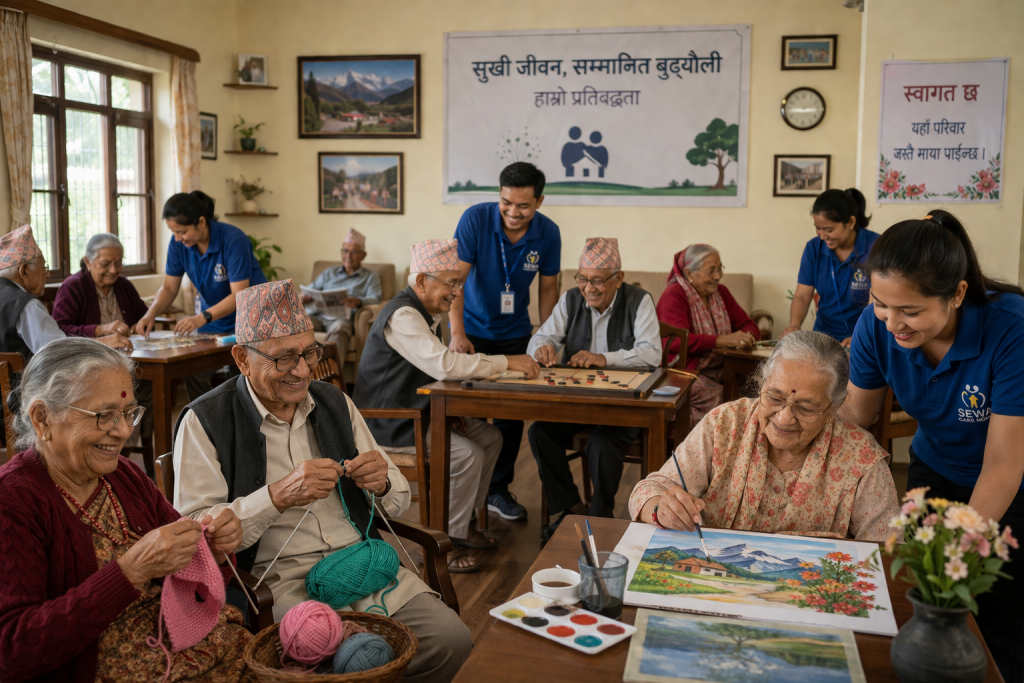
Socialization and Safety: Accessible, welcoming recreational spaces offer elderly individuals safe environments in which to form friendships, share stories, and combat the social isolation that is one of the greatest threats to their health.
Mental Health Support: Structured support groups, counseling sessions, and pastoral care help elderly individuals navigate the major life transitions of old age — loss of independence, bereavement, retirement — with emotional resilience and support.
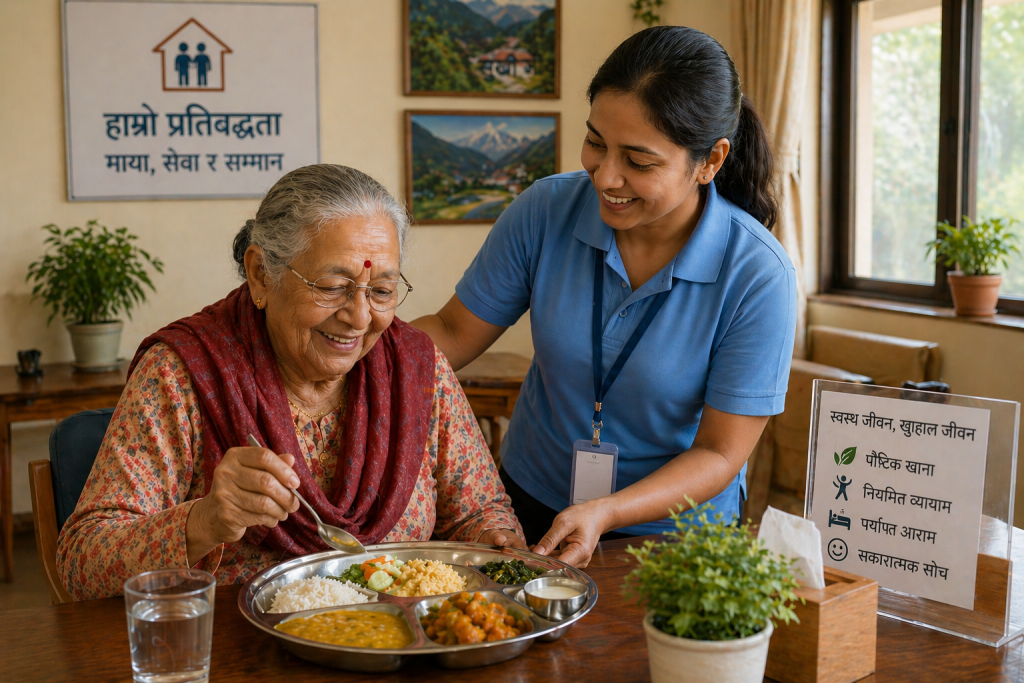
Daily Living: Nutritious, medically appropriate meals, regular health screenings, morning exercises, and personal hygiene assistance form the foundation of daily well-being for elderly residents.
When these elements are woven together into a coherent program of care, the results are transformative — not only for the individuals receiving care, but for the families and communities around them.
Conclusion: Honouring the Lives That Built Our World
Old age is not a problem to be solved. It is a stage of life to be honoured — a time in which the accumulated wisdom, sacrifice, and love of a lifetime deserve to be met with dignity, comfort, and joy.
The elderly among us are the living repositories of our history, our culture, and our values. They built the families, communities, and institutions that the younger generation now inherits. They endured hardships, raised children, and contributed to society across decades of their lives. They deserve to spend their final years not in isolation, neglect, or despair, but in safety, connection, and peace.
As Nepal stands at a demographic crossroads — with its elderly population growing faster than its social systems can accommodate — the expansion and improvement of elderly care centers, recreational facilities, and community support programs is not merely a matter of charity. It is a matter of justice. It is a reflection of the kind of society Nepal chooses to be: one that remembers those who came before, and cares for them with the same devotion they once gave to others.
